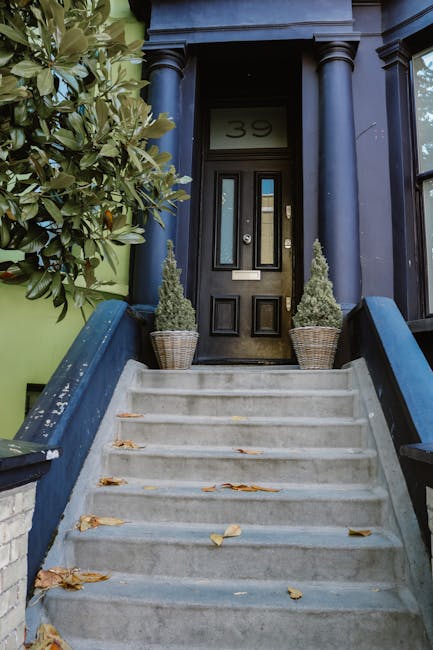
Ponders End house removals guide for stairs and driveway access
Moving house in Ponders End sounds straightforward until you meet the real-life bits: a narrow staircase, a tight landing, a driveway that's just a little too short for a bigger van, and a pile of boxes that suddenly feels heavier than it should. That's exactly why this Ponders End house removals guide for stairs and driveway access matters. It helps you plan the awkward parts before moving day, so the job feels calmer, safer, and far less rushed.
In our experience, the homes that move most smoothly are rarely the ones with the flashiest packing. They're the ones where access has been checked properly. Will the sofa turn on the stairs? Can the removal van sit safely on the drive, or will it need to stay on the road? Do you have enough room for the team to load without blocking neighbours? These are the questions that save time, money, and a fair bit of stress.
This article breaks down what to look for, how to prepare, common mistakes to avoid, and how to judge the right moving method for your property. You'll also find a checklist, a comparison table, and practical guidance that works for real homes, not just ideal ones.
Table of Contents
- Why this matters in Ponders End
- How the move works when stairs and driveway access are tricky
- Key benefits and practical advantages
- Who this is for and when it makes sense
- Step-by-step guidance
- Expert tips for better results
- Common mistakes to avoid
- Tools, resources and recommendations
- Law, compliance, standards and best practice
- Options and comparison table
- Case study or real-world example
- Practical checklist
- Conclusion
- Frequently asked questions
Why Ponders End house removals guide for stairs and driveway access Matters
Ponders End has the kind of housing mix that makes access planning genuinely important. You may have a terraced property with internal stairs that turn sharply at the landing, or a driveway that works fine for a small car but becomes tight once a long wheelbase removal van arrives. That small difference can change the whole day.
Stairs affect more than just lifting effort. They affect whether a wardrobe can be carried upright, whether a bed frame needs partial dismantling, and whether bulky items can safely be rotated without scraping paintwork or damaging banisters. Driveway access matters too, because the shorter the carry from van to front door, the faster and safer the move usually is. If access is poor, every item takes longer. Simple as that.
There is also the neighbour factor. A van that is awkwardly positioned, a crew carrying items up a front path, or a shared driveway blocked for too long can create friction. Nobody wants that on moving day. A bit of planning helps keep everyone on side.
For people buying locally, or settling into the area after reading something like the key steps to buying homes in Enfield, the move is often the final stretch of a much longer process. By then, you just want the practical side to behave. Fair enough.
How Ponders End house removals guide for stairs and driveway access Works
The process is really about matching your property access to the right moving plan. A good move starts before the van turns up, usually with a survey or at least a detailed conversation about the property layout.
Here's what typically gets assessed:
- Stair width and shape - are there tight corners, low ceilings, or a landing turn?
- Front path and driveway length - can a van park close enough to reduce carrying distance?
- Parking and road access - is street parking needed, and will access need a permit or careful timing?
- Item size and weight - can large furniture be moved in one piece, or does it need dismantling?
- Loading route - is there a clear route from property to vehicle without obstacles?
Once those details are clear, the mover can decide the safest route, the right vehicle size, the number of staff needed, and whether special equipment might help. For example, a typical two-person team may be perfect for a small house with easy access, but a property with a steep staircase and a narrow driveway might benefit from extra hands.
If your move includes furniture that needs extra care, it can also be worth looking at furniture removals in Enfield because bulky items often shape the whole access plan. One awkward wardrobe can change the day more than ten light boxes ever will.
Truth be told, good removals work a bit like choreography. Not glamorous, but when it's done well, everything just flows.
Key Benefits and Practical Advantages
Planning for stairs and driveway access is not just about avoiding problems. It actively improves the move in a few very practical ways.
- Less lifting strain - shorter carries and clearer routes reduce physical pressure on the removal team.
- Lower damage risk - fewer tight squeezes through stairs and doorways means less chance of scuffed walls or broken furniture.
- Faster loading - if the van can park close, the process moves noticeably quicker.
- Better cost control - access surprises often lead to delays, extra labour, or a second trip.
- Less stress for you - the day feels organised instead of improvised, and that matters more than people admit.
There's also a practical benefit that people overlook: a cleaner move-out for your old property. If access is well planned, you are less likely to leave marks on walls, broken trim, or muddy footprints across a hallway you'll need to hand back tidy. That is especially helpful in rented homes or when handing over to new owners.
If you are comparing moving support options, the wider house removals service in Enfield can help you think through whether your property needs a standard team, extra handling for stairs, or a vehicle that suits the driveway better. It's one of those decisions that looks small on paper but saves real hassle on the day.
Who This Is For and When It Makes Sense
This guide is useful for a lot of people, but it is especially relevant if any of the following sound familiar:
- you live in a terraced home with narrow internal stairs
- your driveway is short, sloped, shared, or partially blocked
- you own large furniture that needs careful lifting
- you are moving with children, so timing and speed matter
- you are downsizing and need to move efficiently without chaos
- you are booking a van for a flat or house in the EN1 area where access can be tight
It also makes sense for anyone choosing between a man and van style move and a more full-service option. A smaller job with decent access may suit a simple vehicle-and-driver setup. But if your stairs are steep and the driveway is awkward, a more organised team can be the better fit.
That's one reason local guidance helps. You may find the moving patterns in Ponders End overlap with advice from nearby areas too, such as this guide to narrow streets and terraced homes in Enfield Town and these EN1 flat removals tips for Southbury Road access and parking. The details differ, but the core issue is the same: access shapes the whole move.
And yes, if you've ever watched a sofa meet a landing corner and thought, "Well, that's inconvenient," you are very much not alone.
Step-by-Step Guidance
If you want the move to go smoothly, work through the access plan in order. A little structure goes a long way.
- Measure the stairs, doors and key furniture.
Measure stair width, landing turns, ceiling height, and the biggest items you need to move. Don't guess. Guessing is where people get into trouble. - Check driveway length and van parking space.
See whether a van can sit fully on the drive, partially on the drive, or only on the street. Check for overhanging branches, tight gates, or awkward slopes. - Walk the loading route.
Carry an empty box or chair-sized object from front room to vehicle route. Notice steps, lips at the threshold, gravel, wet patches, and anything you'd trip over in a hurry. - Decide what should be dismantled.
Flat-pack furniture, bed frames, tables, and some wardrobes often move better in pieces. Don't leave this until the morning of the move. - Group items by floor and exit route.
Keep upstairs boxes together, downstairs boxes together, and fragile items separate. That reduces unnecessary stair traffic. - Book the right size vehicle and team.
Access issues can make a smaller van inefficient or a large van impossible to park. The right setup is the one that fits the property, not the one that sounds impressive. - Protect the property.
Use coverings for floors, edges, and bannisters where possible. A bit of protection goes a long way when boxes start moving early in the morning. - Keep parking and timing in mind.
If the road is busy, plan the arrival window carefully. A van arriving at the wrong time can add stress before the first box even moves.
One practical tip: if you have something awkwardly shaped, such as a piano or a very heavy cabinet, tell the mover early. Items like that are not just "another piece of furniture." They usually deserve special handling, which is why some people also look at piano removals in Enfield when planning a move with difficult access.
Expert Tips for Better Results
A few small choices can make the whole day much easier. These are the things people usually learn the hard way, then never forget.
- Keep the hallway clear the night before. Shoes, umbrellas, plant pots, and random bits of packaging become trip hazards fast.
- Use smaller boxes for heavier items. It sounds obvious, but a box full of books up three flights of stairs can be brutal.
- Label boxes by room and floor. "Bedroom 2 upstairs" is more helpful than "miscellaneous." Honestly, it really is.
- Take photos of tricky furniture. A quick photo of the staircase, banister, or driveway gives the moving team useful context before they arrive.
- Protect vulnerable corners. If your stairs have painted edges or old plaster, light protection can prevent those annoying little chips.
- Think about weather. Wet paving, muddy driveways, and slippery steps turn a normal move into a careful one. Morning frost can be especially sneaky.
Another underrated tip: keep a small "first hour" box aside with keys, tea bags, phone chargers, snacks, and anything you'll need straight away. It sounds mundane. It is. And it helps.
If you are still deciding what kind of removals support suits your property, the broader services overview can help you compare your options without overcomplicating things. Sometimes the simplest route is the smartest one.
Common Mistakes to Avoid
The most common access problems are rarely dramatic. They're the small oversights that stack up.
- Not measuring properly. A sofa that "should fit" is not the same as a sofa that definitely fits.
- Ignoring stair turns. Straight-line measurements are not enough if the staircase bends sharply.
- Assuming the van can park anywhere. Driveways, dropped kerbs, shared access, and road width all matter.
- Leaving dismantling too late. Taking a bed apart at 7am while everyone is already waiting is nobody's favourite moment.
- Packing boxes too heavy. Heavy boxes slow stair movement and increase the chance of dropped items.
- Forgetting the parking reality. The road might look fine at lunchtime and completely different at school run time.
There's another classic one: people prepare the inside of the house but forget the outside. A driveway with bins, a bike, and a wheelie planter can be just as inconvenient as a narrow staircase. Maybe more, depending on the day.
If something goes wrong, good communication matters. It's one reason people value clear policies and service expectations, including pages like terms and conditions and a fair complaints procedure when they are choosing a provider. Nobody wants to need them, but it's better that they exist.
Tools, Resources and Recommendations
You do not need a truckload of kit to move well. A few practical tools and preparations are enough in most cases.
| Tool or resource | Why it helps | Best used for |
|---|---|---|
| Measuring tape | Confirms stair width, furniture size, and doorway clearance | Planning large items before moving day |
| Furniture blankets | Protects surfaces from knocks and scuffs | Stairs, door frames, and van loading |
| Ratchet straps | Keeps items secure in the van | Bulky or uneven furniture |
| Labels and marker pens | Makes room-by-room unloading easier | Reducing clutter and confusion |
| Protective floor covering | Reduces dirt and scratches on internal routes | Hallways, stairs, and front paths |
For people packing themselves, a sensible place to start is the local packing and boxes guidance. That kind of preparation may feel basic, but it changes the whole pace of the move.
And if you need temporary space because access is difficult or completion dates do not quite align, storage can take the pressure off. The right support is not always about lifting faster; sometimes it's about lifting less all at once. That's where storage in Enfield can be a useful bridge.
Law, Compliance, Standards and Best Practice
This sort of move is usually governed less by one single rule and more by a set of sensible UK best practices. The exact duties can vary depending on the property, the road, and the moving company's own operating procedures, so careful planning is the safest approach.
In plain English, the main compliance points tend to be:
- Safe lifting and handling - heavy items should be moved with appropriate care, good technique, and enough people for the job.
- Risk awareness - stairs, wet driveways, low headroom, and narrow turns are all obvious hazards that should be checked in advance.
- Property protection - walls, floors, and bannisters should be treated with care to avoid preventable damage.
- Insurance awareness - it is sensible to understand what is covered before moving day, especially for valuable furniture.
- Clear communication - the mover should know about access issues before they arrive, not after the first awkward lift.
For readers who care about supplier transparency and standards, it can also help to review pages such as health and safety policy, insurance and safety, and recycling and sustainability. They show the sort of careful approach that matters when access is not straightforward.
One small but important point: if the van may need to park in a specific place, or if the load-in route crosses shared space, plan ahead rather than assuming everything will be fine on the day. It usually is, until it isn't.
Options, Methods, or Comparison Table
Different access situations call for different moving methods. Here's a simple comparison to help you judge what fits best.
| Method | Best for | Pros | Trade-offs |
|---|---|---|---|
| Small van + careful manual carry | Short moves, lighter loads, decent driveway access | Flexible, often efficient, easier to park | May require more trips if volume is high |
| Man and van support | Medium-sized home moves with moderate access challenges | Good balance of cost and help, practical for local moves | May not suit very bulky furniture or long carries |
| Full house removals team | Large properties, awkward staircases, tighter access | More hands, smoother lifting, better for complex access | Usually more expensive than a basic setup |
| Storage plus staged moving | Completion delays, downsizing, reduced space on move day | Less pressure, more control over timing | Requires an extra step and planning for retrieval |
If your property has stairs that feel tight even before you begin, or a driveway that is best described as "technically there," a flexible local setup is usually the safest bet. People often look at man and van services in Enfield or man with van options in Enfield when they need something practical rather than overcomplicated.
Case Study or Real-World Example
Here's a realistic example. A family in Ponders End was moving from a two-storey terrace with a steep staircase and a short driveway. On paper, it looked manageable. In person, the landing turn made it obvious that the large wardrobe would not travel upright without careful manoeuvring.
So the plan changed. The wardrobe was dismantled the evening before, mirrors were wrapped separately, and the van was positioned so loading distance stayed short. The crew used blankets to protect the bannister and took the heavier pieces first, while smaller boxes went out in batches. Nothing dramatic. Just good organisation.
The result? Less back-and-forth, no damage to the walls, and no last-minute panic about whether the van could get close enough. The move still took a fair bit of effort, because house moves do, but it felt controlled. That is the key difference.
Another household nearby had the opposite problem: plenty of internal space but almost no driveway room, so a street-side load became the best option. In that kind of setup, timing mattered more than distance. The team arrived early, parked with care, and worked in a clean sequence. Not glamorous. Effective, though.
That is really the point of this guide. Access problems are solvable when they are identified early. Most moving headaches are just planning gaps wearing a disguise.
Practical Checklist
Use this checklist a day or two before the move. It keeps things grounded and stops small details slipping through the cracks.
- Measure the widest furniture pieces
- Measure stair width and landing turns
- Check driveway length and slope
- Confirm whether the van can park on the drive or the road
- Clear hallways, porches, and front paths
- Dismantle furniture that will not travel safely in one piece
- Label boxes by room and floor
- Keep fragile items separate and clearly marked
- Protect floors, bannisters, and door frames
- Prepare a small essentials box for the first night
- Tell the mover about tight access, parking issues, or shared driveways
- Check whether temporary storage may be needed
It helps to keep one person in charge of the route on the day. Not a drill sergeant, just someone who knows where things are supposed to go. Surprisingly useful.
Get a free quote today and see how much you can save.
Conclusion
A move in Ponders End becomes much easier when you treat stairs and driveway access as part of the job, not a side detail. Measure properly, plan the loading route, choose the right van size, and make sure the furniture you have can actually travel the way you expect. Those small decisions save time, protect your property, and make the day feel far less frantic.
Whether you are moving from a terrace, a flat, or a family home with a tight front approach, the goal is the same: calm, safe, efficient removal with no awkward surprises. And if there are surprises, at least they should be the manageable kind.
In the end, a well-planned move is a quiet kind of win. Not flashy, just deeply satisfying.
Frequently Asked Questions
How do I know if my staircase is too narrow for furniture?
Measure the widest part of the furniture and compare it with the narrowest stair section, including turns and banisters. If the item cannot rotate comfortably, it probably needs dismantling or specialist handling.
What if the removal van cannot fit on my driveway?
If the van cannot park on the drive, the team will usually use the safest available road position. That may mean a longer carry, so it is worth mentioning early when booking.
Should I dismantle furniture before moving day?
Yes, if it is large, awkward, or likely to catch on stairs or landings. Beds, wardrobes, and some tables often move much better in pieces.
Is a man and van service suitable for a Ponders End house move?
It can be, especially for smaller homes or lighter loads. But if stairs are steep or driveway access is tight, you may need a more flexible setup with extra help.
How far in advance should I assess access issues?
As soon as you know your moving date. Access planning should happen before packing gets serious, because it affects what you pack, what you dismantle, and what vehicle you need.
What should I tell the moving team before they arrive?
Share stair layout, driveway length, parking limits, heavy items, and any shared access points. The more accurate the information, the smoother the day usually goes.
Can access problems increase moving costs?
They can, because awkward access may take more time or more labour. A clear pre-move assessment helps reduce the chance of surprises.
What is the safest way to move heavy items up stairs?
Use enough people, keep the route clear, and protect the walls and banisters. If an item feels unsteady, it is better to stop and re-plan than force it through.
Do I need storage if my new home is not ready?
Storage can help if completion dates do not line up or if access at one end is too restricted for a full load. It gives you breathing room, which is often underrated.
How can I protect my property during the move?
Use floor coverings, keep hallways clear, pad bannisters and corners where possible, and avoid rushing bulky furniture through tight spaces. Prevention is much cheaper than repair.
What is the biggest mistake people make with driveway access?
Assuming the van will just fit without checking. A driveway that looks fine for everyday life can still be awkward for a larger vehicle, especially if there are slopes, bins, or tight entry points.
Where should I start if I want a simple local moving plan?
Start with your measurements, your access route, and a clear idea of which items are most difficult. From there, compare the type of support that matches your home, not just the cheapest-looking option.