Health and Safety Policy for Removals Enfield
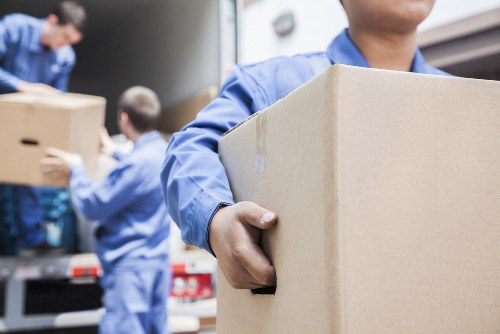 This health and safety policy for removals sets out the standards and practices used to reduce risk during every stage of a moving job. A careful Enfield removals service depends on safe planning, correct handling, and clear responsibility. Whether the work involves a single item or a full property move, the aim is to protect staff, clients, property, and the public. Safety is not treated as a separate task; it is built into loading, transport, storage, and unloading. By following consistent procedures, removal safety becomes a normal part of the service rather than an afterthought.
All work begins with risk awareness. Teams consider access points, stairs, narrow hallways, fragile belongings, weather conditions, parking arrangements, and the weight or size of items being moved. A proper assessment helps identify hazards before lifting begins. This includes checking for damaged flooring, loose cables, poor lighting, or anything that might cause slips, trips, or strains. The policy also encourages staff to stop and reassess if conditions change during the job. That approach supports a safer removals policy and helps prevent incidents before they happen.
Everyone involved in the move has a duty to cooperate with safe working practices. Removal staff must use correct lifting techniques, maintain clear communication, and wear suitable protective equipment where needed. Clients are asked to help by keeping walkways clear and informing the team about items that require special handling. This shared responsibility supports a controlled and organised move. Training, supervision, and regular reminders all help reinforce safe behaviour across house removals, office moves, and specialist transport.
 Manual handling is one of the most important areas of this policy. Heavy lifting, awkward shapes, and repetitive movement can lead to injury if not managed carefully. Staff are trained to judge when an item should be moved by two people or by using equipment such as trolleys, straps, or protective blankets. Loads are kept balanced and secure to reduce the chance of dropping or shifting. The goal is to protect both people and property while keeping the move efficient. Safe handling is especially important in domestic removals, where furniture, appliances, and personal belongings often vary widely in size and fragility.
Vehicles and equipment are maintained to a high standard. Lorries, ramps, sack trucks, blankets, ties, and lifting aids are checked before use so that faults can be identified early. If any item of equipment is damaged or unsafe, it is removed from service until repaired or replaced. Vehicle load security is also essential. Items must be stacked properly and fastened to prevent movement during transit. These precautions help ensure that commercial removals are completed without unnecessary risk, delays, or damage.
Fire safety, environmental awareness, and emergency readiness are also included in the policy. Teams know how to respond to accidents, spills, or unexpected hazards and are trained to report incidents promptly. Safe storage of flammable materials, careful use of packing materials, and tidiness at work sites all contribute to better control.  A clean and organised working area lowers the likelihood of injury and improves efficiency. In every removals company process, preparation and vigilance remain central to safe operations.
Safe Working Standards
The policy applies to every stage of the moving process, from first assessment to final delivery. Health and safety responsibilities are understood by all team members, and compliance is monitored through internal checks and regular review. Managers are expected to lead by example and to intervene if a task appears unsafe. If weather, access, or customer circumstances create new risks, the job plan is adjusted rather than rushed. This flexible approach helps maintain a high standard of safe removals while protecting the quality of service.
Personal protective equipment may include gloves, safety footwear, high-visibility clothing, or other items suitable for the work involved. PPE is selected according to the task and must be worn correctly when required. However, equipment is only one part of the control system. Good housekeeping, teamwork, and communication remain just as important. Staff are encouraged to speak up about hazards and to report concerns without delay. That open approach supports a stronger moving safety culture and helps reduce avoidable mistakes.
Accident reporting and continuous improvement are key to this policy. Any incident, however minor, is reviewed so that lessons can be learned and procedures improved. This may lead to changes in training, equipment selection, route planning, or handling methods. The objective is simple: reduce risk, improve consistency, and deliver dependable service.  By treating safety as a core value, a removals service can protect people, property, and reputation at the same time.
Policy Commitments
Removals Enfield is committed to maintaining safe, responsible, and professionally managed moving services. Every operation should be planned with care, carried out with attention, and completed with respect for health and safety requirements. Risks are managed through training, supervision, equipment checks, and clear working methods. This commitment supports efficient work while minimising disruption and harm.
Safety procedures are reviewed regularly to ensure they remain effective and practical. Staff are expected to follow these standards at all times, and managers are responsible for making sure the policy is applied consistently. Through careful preparation and disciplined working practices, Enfield removals can remain safe, reliable, and well organised for every customer and every move.  The final aim is to create a working environment where hazards are controlled, communication is clear, and every removal is completed as safely as possible.